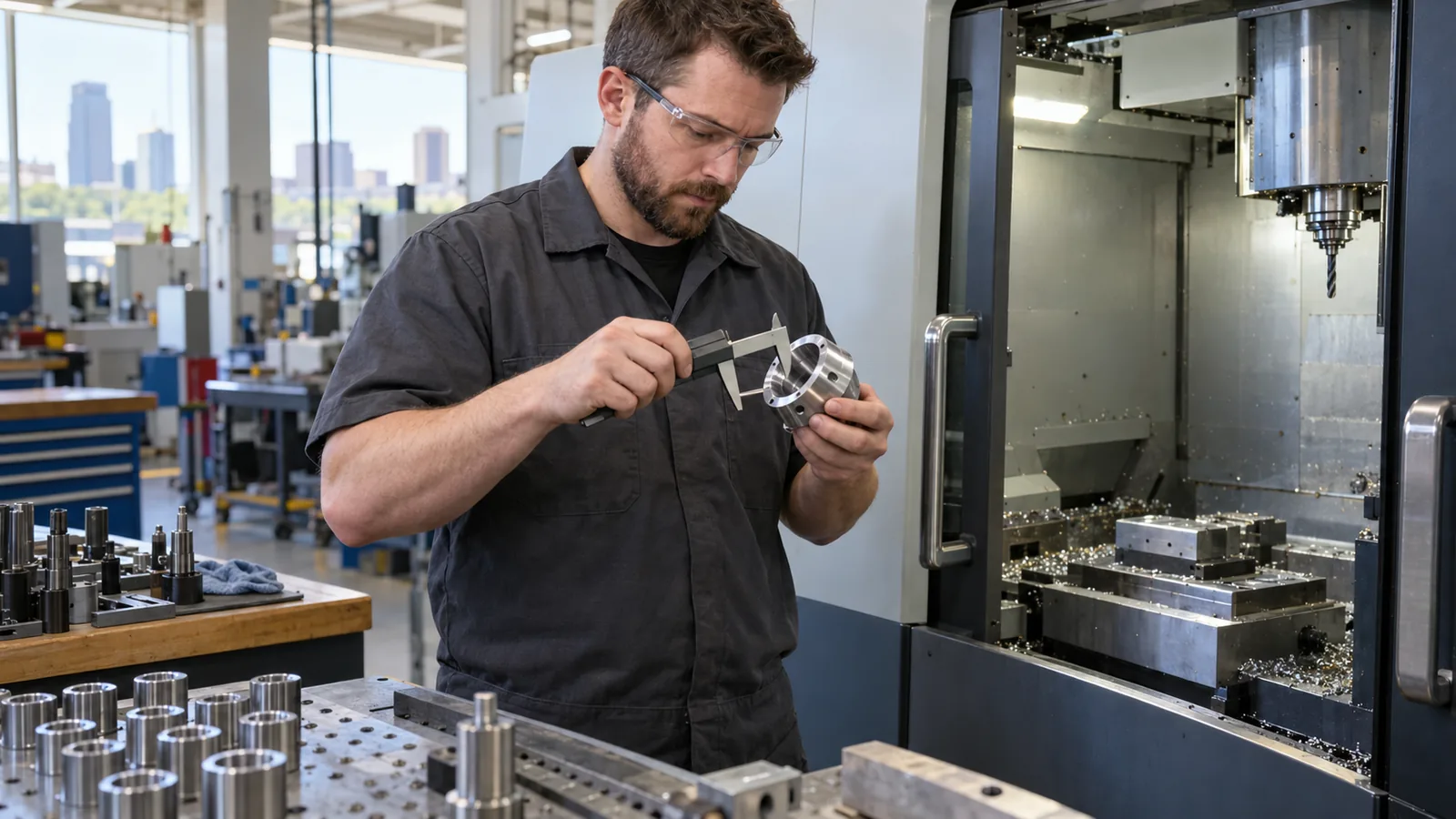
Questions a machine shop buyer will ask
Who are your top customers?
Shops often grow around a few big accounts. If the top customers make up a large share of sales, buyers price in the risk of losing one.
What can your machines do, and how old are they?
Capability matters more than count. Buyers want to know which work you can take on and when the next big equipment purchase comes due.
Who runs the machines and writes the programs?
Skilled machinists and programmers are scarce. A buyer wants to know who they are, how long they've been there and whether they'll stay.
Do you hold quality certifications?
Certifications and documented quality systems open doors to aerospace, defense and medical work, and they show the shop runs on process, not memory.
Concentration Is the Big Discount
Many shops do a large share of their work for one or two manufacturers. That is often how a shop got established, and it is the first thing a buyer will question.
When the top few customers make up more than about 15 to 20% of sales, buyers often take something like that share off the price, or tie part of the payment to keeping those customers. Broadening the customer list a year or two before a sale can pay off.
Equipment and Capital Spending
A buyer will list every machine, its age, its condition and what it would cost to replace. If you have put off upgrades, they will deduct the coming spend from what they pay.
Leased machines need to be listed with payoff amounts and whether the lease can be assumed.
Your Building
Plenty of shop owners also own the building. Buyers of the business often don't want the property too, so think about whether you sell it separately or lease it to the new owner.
Being a landlord can turn one sale into a steady income. Make sure the rent is at market, because a buyer will value the business as if it pays market rent anyway.
Process Beats Memory
A shop where the owner quotes every job, knows every customer's quirks and fixes every machine is hard to hand over. Written quoting rules, setup sheets and maintenance logs make the company easier to buy.
Our page on what is my business worth shows how buyers adjust for an owner who does too much, and how selling works covers the steps.
Who Buys Machine Shops
Larger manufacturing groups buy shops to add capacity and customers. Private equity firms buy platforms and add smaller shops to them. Individual buyers with engineering or operations backgrounds buy with lender financing.
Shops worth several million dollars often draw buyers from well outside the metro.
After Closing
Machinery means a personal property declaration in the county where it sits, and the sale means closing your Missouri tax accounts. The seller filings guides cover both.
For a private estimate of what your shop could bring, send the form or call (816) 555-0167.